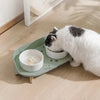
Why does my cat vomit its kibble: a scientific approach Seeing your cat vomit after eating can be worrying for any owner. However, this behavior is relatively common among felines. Understanding the underlying causes can help you adopt good feeding practices and ensure your pet's well-being. In this article, we'll analyze the reasons why a cat vomits its kibble, taking a scientific but accessible approach. Vomiting in cats: a natural protective reflex In cats, vomiting is often a defense mechanism. It allows them to eliminate unwanted substances, whether it's poorly tolerated food, a hairball, or a foreign body. Unlike regurgitation—which occurs effortlessly—vomiting involves an active contraction of the abdomen. This distinction is important because it helps identify the type of digestive disorder you're dealing with. When a cat vomits immediately after eating kibble, it could be a problem related to the speed of ingestion, the composition of the food, or a deeper health concern. Therefore, careful and continuous observation is necessary before jumping to conclusions. Eating too quickly: a common and benign cause Some cats gobble up their kibble surprisingly quickly. This rapid food intake causes air to accumulate in the stomach (aerophagia), stretching the gastric walls, and prompting immediate rejection. This often manifests as vomit containing barely chewed kibble. Cats from large litters or those accustomed to a competitive environment sometimes develop this reflex from a young age. Several solutions exist: use an anti-gluttony bowl, distribute meals in several small daily portions, or use an automatic feeder to slow down the pace. Food intolerances and unsuitable kibble It's also possible that your cat has a digestive sensitivity to certain components of kibble. Poor-quality animal proteins or poorly digested grains can cause gastric inflammation, which results in regular vomiting. Choosing hypoallergenic or hydrolyzed protein kibble can significantly improve the situation. At petzeal.fr , we offer a complete range of foods suitable for sensitive cats. Don't hesitate to consult a veterinarian to determine the best formula for your pet's digestive profile. Presence of hairballs: an often underestimated factor Cats spend a large part of their time grooming themselves. During this ritual, they ingest dead hair, which gradually forms trichobezoars (hairballs) in the digestive system. When these become too large to be evacuated naturally, the body expels them through vomiting, often along with food. Regular brushing, especially during shedding season, and the addition of supplements such as malt or kibble specifically formulated to eliminate hairballs can greatly reduce this phenomenon. Underlying pathologies not to be neglected If your cat vomits frequently despite a suitable diet and a regulated eating rate, medical hypotheses should be considered. Chronic gastritis , exocrine pancreatic insufficiency, inflammatory bowel disease, or even certain gastrointestinal parasites can lead to recurrent vomiting. A complete veterinary examination, which may include an ultrasound, blood test, or stool examination, will help rule out or confirm an underlying medical condition . Seek immediate medical attention if you notice weight loss, changes in behavior, or blood in your vomit. Conclusion: a symptom to be diagnosed rigorously A cat that vomits its kibble isn't necessarily sick, but this behavior should get your attention. It could be a simple problem with its eating pattern or a sign of a deeper disorder. By identifying the cause—speed, kibble quality, hairballs, or pathology—it becomes possible to adjust your cat's diet and environment. At petzeal.fr , we offer a selection of scientifically formulated kibbles to support your cat's digestive health. Feel free to browse our catalog and ask our animal nutrition experts for advice on making the right choice.