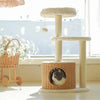
Why Does My Cat Pee Everywhere: A Scientific Analysis of Feline Behavior You come home to a puddle of urine on the carpet or against the wall. This unexpected behavior can quickly become a real headache for cat owners. It's important to understand that if your cat urinates outside of the litter box , it's rarely an act of "revenge." It's often a behavioral, medical, or environmental signal. Let's explore the possible causes from a scientific perspective. 1. Natural territorial marking in cats Urine marking is an instinctive behavior in cats, especially in unneutered males. This behavior is used to demarcate a territory and send olfactory signals to other animals. Marking is distinguished from normal urine by its nature: small amounts of urine sprayed vertically , often on walls or furniture. This can intensify in the event of changes in the cat's environment: moving, arrival of a new cat, or even stressed humans. Solution: Neutering significantly reduces this behavior. Providing safe resting areas and avoiding conflicts with other cats is also recommended. 2. A medical cause not to be neglected A cat that suddenly starts urinating outside of its litter box could be suffering from a health problem. Some of the most common are: Idiopathic cystitis , often related to stress Urinary stones or crystals in the bladder Diabetes or kidney failure These disorders are often accompanied by symptoms such as frequent urination, crying while urinating, or blood in the urine. A visit to the veterinarian is therefore essential before considering a behavioral cause. Tip: Pay close attention to changes in frequency or pain during urination in your cat. Early diagnosis can prevent serious complications. 3. Unsuitable or poorly maintained litter Choosing and maintaining the right litter box is crucial. Cats are very clean animals and are very ticklish when it comes to their toilets. A litter box that is too small, poorly positioned, or insufficiently cleaned can lead them to urinate elsewhere. Here are some criteria to respect: A litter box adapted to the size of the cat (at least 1.5 times its length) Regular cleaning (ideally daily) Use of clumping, low-odor litter Avoid closed litter boxes in multi-cat households It is recommended to have as many litter boxes as there are cats, plus one extra . For example, for two cats, plan for three boxes. The choice of location is also strategic: quiet, away from the bowl and without constant traffic. 4. Stress, often underestimated in cats Cats are very sensitive to their environment. A move, a new person in the home, or simply a change in lifestyle can create intense stress for them. This stress can lead to behavioral problems such as excessive licking, aggression, or elimination outside the litter box. Urine is a way for cats to reassure their territory by leaving their scent there. Using synthetic pheromone diffusers (like Feliway), enriching the environment with hiding places, cat trees, or high areas can help reduce your pet's overall stress. 5. What should I do if my cat keeps urinating everywhere? When faced with persistent behavior, it is crucial to adopt a rigorous approach: Eliminate a medical cause (veterinary visit) Observe and adapt the cat's environment Reinforce positive behaviors (never punish your cat!) Consult a veterinary behaviorist if necessary It's important not to clean soiled areas with bleach—this can encourage the cat to do it again. Instead, opt for enzymatic products specifically designed to neutralize urine odor. Conclusion: understand before sanctioning If your cat is peeing everywhere , it always indicates a problem: illness, stress, discomfort, or the need to be marked. Punishing it doesn't solve anything and can make the situation worse. On the other hand, a scientific and caring approach will help identify the cause and provide a lasting solution. At Petzeal.fr , we help you better understand your pets and provide them with the right environment for a peaceful cohabitation. Discover our selection of innovative litter boxes, spacious trays, and anti-stress accessories for demanding cats.