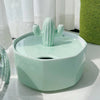
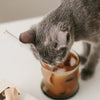
Why Does My Cat Drink a Lot? A Scientific Analysis Domestic felines, like cats , have a natural ability to limit their water intake due to their desert origins. However, sometimes an owner notices that their pet is drinking more than usual. If you're wondering why my cat is drinking a lot , it's important to understand the possible causes behind this unusual behavior. Let's discover the scientific and medical explanations for this phenomenon. How much water is normal for a cat? On average, a cat drinks between 40 and 60 ml of water per kilogram of body weight per day. For a 4 kg cat, this represents approximately 160 to 240 ml of water per day. However, this consumption can vary depending on several factors: type of food (dry kibble or wet pâté), ambient temperature, activity level and physiological state (pregnancy, lactation, etc.). A significant and prolonged increase in water intake, called polydipsia in veterinary terms, can be a sign of an underlying condition. Therefore, it is essential to observe if the cat is drinking more than usual over several consecutive days to rule out any abnormalities. The role of diet in cat thirst One of the most important factors determining a cat's water consumption is its diet. Cats fed exclusively dry kibble ingest very little water through their food, which encourages them to drink more. Conversely, wet food or pâté contains approximately 75% water, reducing the need to drink between meals. If you've recently changed your cat's diet, it's perfectly normal to see changes in their drinking habits. However, excessive drinking without dietary changes warrants extra vigilance. Diseases associated with excessive thirst Persistent polydipsia can be a symptom of several feline pathologies, sometimes serious: Diabetes mellitus : The pancreas no longer produces enough insulin, leading to hyperglycemia. The body then attempts to eliminate sugar through urine, which quickly dehydrates the animal. Chronic kidney failure : Very common in older cats, this disease makes the kidneys less efficient at concentrating urine, forcing the animal to drink more to compensate for water loss. Hyperthyroidism : A common hormonal disorder in older cats, it increases metabolism and thirst. Liver disease or urinary tract infection: Less common but should be considered during a thorough veterinary investigation. In any case, a veterinary consultation is necessary if this increased thirst is accompanied by other symptoms: weight loss, fatigue, change in appetite, vomiting, etc. Non-pathological factors to consider Besides illness, several factors can explain why a cat drinks a lot : Ambient heat : In summer, thermoregulation pushes animals to drink more to maintain a stable body temperature. Physical activity : A more active cat will naturally consume more water, like any living organism subjected to increased exertion. Stress or anxiety : Some cats may exhibit pseudopolydipsia behavior related to a mild behavioral disorder or a change in environment. What to do if your cat drinks too much? First and foremost, it's essential to monitor your pet over a few days to determine whether the increase in water consumption is temporary or long-term. You can measure the amount of water you drink each day by using a measuring bowl or by calculating the amount of water you add to the bowl each morning. If the increase persists for more than 48 hours or is accompanied by any other sign of discomfort, consult a veterinarian immediately. Blood and urine tests will help diagnose or rule out the aforementioned pathologies. Conclusion: monitor, adapt and prevent A cat's water consumption is a valuable indicator of its overall health. A change in water consumption should never be taken lightly. While some causes are benign (heat, change in diet), others require prompt veterinary attention. At Petzeal.fr, we recommend providing your feline with fresh, clean, and sufficient water every day. Don't hesitate to discover our selection of cat water fountains , ideal for stimulating natural hydration and precisely monitoring your companion's needs.