









































Complete Guide: How to crate train a dog?
To learn how to crate train a dog, plan on about 2 to 4 weeks of short, positive daily sessions for most puppies, and sometimes longer for adult or rescue dogs. The basic method is simple: make the crate a rewarding place with treats and meals, then add closed-door time in small steps. This guide covers each step, timelines, common mistakes, and troubleshooting.
How to crate train a dog?
The goal is for your dog to choose the crate on their own. Go slowly, keep every session happy, and never use the crate as punishment. Here is the process that works for most dogs, from 8-week-old puppies to adults:
- Pick the right size. Your dog should be able to stand up, turn around, and lie down comfortably. For a growing puppy, choose a crate with a divider so you can adjust the space as they grow.
- Choose a good spot. Place the crate in a family area, like the living room, so your dog doesn't feel isolated.
- Make it cozy. Add a washable pad or blanket and one safe chew toy.
- Introduce it with the door open. Toss treats inside, let your dog wander in and out, and praise calmly. Don't push or lock them in.
- Feed meals in the crate. Place the bowl near the entrance at first, then move it to the back. Once your dog is comfortable, close the door during the meal and open it right after.
- Build duration. Close the door for 5 seconds, then 10, then 30, then a few minutes while you sit nearby. Open it before your dog gets upset.
- Leave the room, then the house. Step out for a minute, return calmly, and gradually extend the time. Keep arrivals and departures low-key.
Add a cue like "kennel up" once your dog walks in willingly, and reward every time.
How to kennel train a dog?
Kennel training and crate training are the same thing. In the U.S., "kennel" and "crate" are used interchangeably for the enclosure your dog rests in at home. The steps above apply to both, but the type of enclosure and your dog's history change how you start.
Dogs are domesticated descendants of wolves, according to Wikipedia's overview of the dog, and many dogs naturally like snug, den-like spaces. That instinct is why a well-introduced crate often becomes a favorite resting spot.
Choosing the crate type
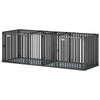
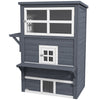
Wire crates offer good airflow and visibility, and most fold flat. Plastic crates feel more enclosed and suit travel. Soft-sided crates are light but not for chewers or escape artists. Furniture-style crates blend into your living room, which makes it easier to keep the crate in the heart of the home.
Adjusting for adult and rescue dogs
Adult and rescue dogs may have unknown past experiences with confinement. Go even slower: spend several days on door-open games only, feed all meals near or inside the crate, and let the dog set the pace. If your dog shows panic, such as frantic scratching, drooling, or injuring themselves, stop and talk to your veterinarian or a certified trainer.
How long does it take to crate train a dog?
Most puppies feel comfortable in a crate within 2 to 4 weeks if you practice daily. Adult dogs with no crate history can take a similar amount of time, while dogs with anxiety or bad past experiences may need a couple of months. Progress isn't a straight line, so don't worry about a bad day.
How long can a dog stay in a crate?
A common rule of thumb is about one hour per month of age for young puppies during the day, with a cap of a few hours for adult dogs. It is a rough guideline, not a rule. Your dog also needs exercise, potty breaks, and attention, so a crate should never be where they spend most of their day.
What about nighttime?
Place the crate near your bed at first so your puppy can hear and smell you. Young puppies usually need a potty trip during the night, because they can't hold it as long as adults. Take them out quietly, with no play, then back to the crate. Over weeks, they will sleep longer stretches.
A simple weekly plan
- Days 1-3: Door open, treats, and meals in the crate.
- Days 4-7: Door closed for seconds to a few minutes while you're in the room.
- Week 2: Short absences, naps in the crate, overnight use.
- Weeks 3-4: Longer alone time and short trips out of the house.
What crate training mistakes should you avoid?
Most crate problems come from moving too fast or from bad associations. Avoid these seven mistakes:
- Using the crate as punishment. Your dog should never link it with being in trouble.
- Letting a whining dog out immediately. This teaches that whining opens the door. Wait for a brief pause, then let them out. First rule out a real need, like a potty break.
- Skipping exercise. A dog with lots of pent-up energy will struggle to settle. Walk or play before crate time.
- Making goodbyes dramatic. Long, emotional farewells raise your dog's excitement and stress.
- Buying the wrong size. Too small is uncomfortable, and too large can lead to using one corner as a bathroom.
- Leaving the dog crated too long. Long stretches cause frustration and accidents and can harm your dog's well-being.
- Leaving unsafe items inside. Remove collars with tags, stuffing-filled toys a dog could shred, and anything easily swallowed.
If your dog panics even with slow training, they may have separation anxiety, which is different from simply disliking a crate. Ask your veterinarian for guidance instead of pushing through.
How Petzeals can help with crate training
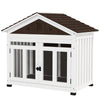
The crate itself matters more than most people think. A dog is more likely to relax in a crate that's sturdy, well-ventilated, and set up in the middle of family life, and an owner is more likely to keep it there if it fits the room. That's where a furniture-style option helps. A piece like this side table with hidden storage for your dog's crate gives your dog a den while doubling as a surface in your living room, with room to tuck away leashes, treats, and training supplies.
If you're still comparing sizes and styles, browse our full range of dog crates and choose one that suits your dog's size, your space, and your routine. Whatever you pick, measure your dog first and leave room to grow if you have a puppy.
Frequently Asked Questions
Is crate training cruel?
No, when done correctly. A crate gives your dog a safe, quiet place to rest, much like a den. It becomes unfair only if it's overused, used as punishment, or paired with too little exercise and attention. Introduce it gradually, and keep sessions short and rewarding.
Should I put a blanket or pad in the crate?
Yes, for most dogs. A washable pad adds comfort and warmth. If your puppy chews or soils bedding, start with a thin mat and upgrade later. Covering a wire crate with a light blanket can make it feel more den-like, but keep airflow open.
Can I crate train an older dog?
Yes. Older dogs can learn just as well, though they may need more time, especially if they've never been crated. Use high-value treats, start with the door open, and move slowly. If your dog has health issues, check with your veterinarian first.
What if my dog cries in the crate?
First, check whether they need to go outside. If not, wait for a brief pause in the noise before opening the door. Go back a step in training, shorten sessions, and add exercise beforehand. Persistent distress may signal anxiety, so consult your veterinarian.
Should I feed my dog inside the crate?
Yes, feeding meals in the crate is one of the best ways to build a positive association. Start with the bowl near the door and move it deeper over time. Once your dog is relaxed, close the door during meals and open it afterward.
Conclusion
Knowing how to crate train a dog comes down to patience: choose the right size, make the crate rewarding, and extend closed-door time a little at a time. Most dogs adjust in 2 to 4 weeks. When you're ready to set up your dog's space, explore the Petzeals dog crates collection.